A Winery Afternoon in Prince Edward County
An afternoon in Prince Edward County's wine country should feel like a slow exhale. You are not trying to hit every winery on the map. You are not racing through tastings. You are giving yourself permission to spend three or four hours moving gently through a landscape of vineyards, tasting rooms, and county roads, letting each stop breathe before you move to the next one.
The County has over forty wineries, and that number continues to grow. Some are established operations with polished tasting rooms and full restaurants. Others are small, family-run estates where the person pouring your wine might be the same person who pruned the vines that morning. Both are worth visiting. The trick is choosing well and pacing yourself.
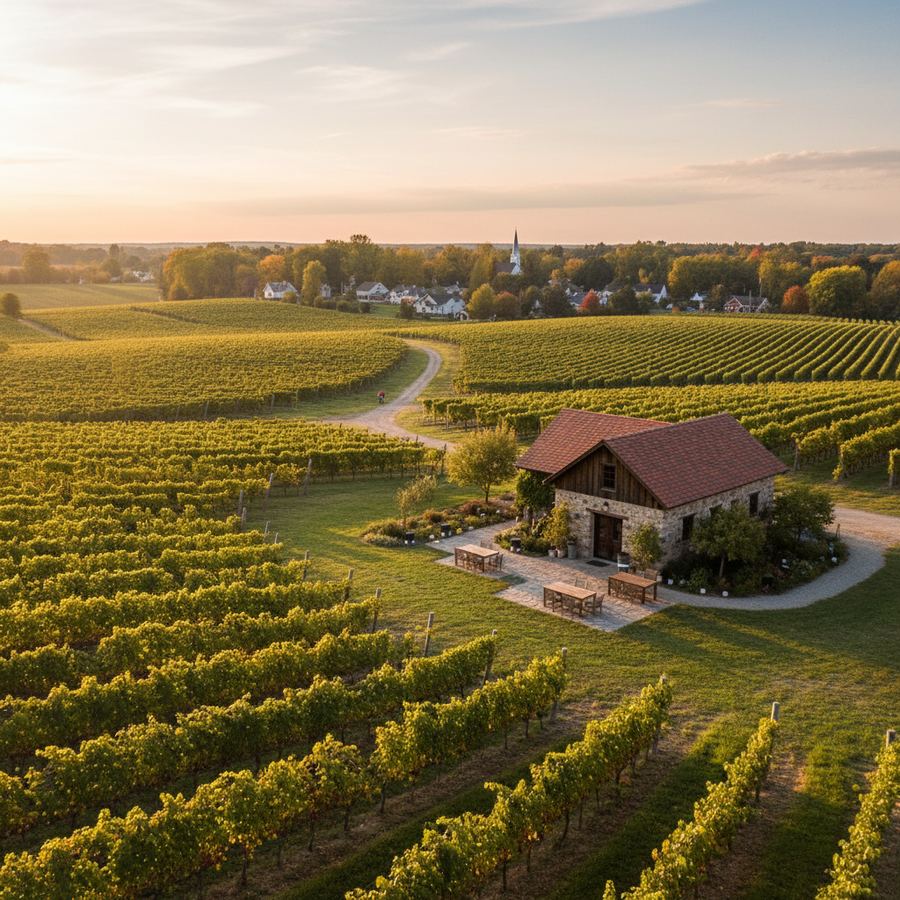
The vines do not rush. Neither should you.
Planning Your Afternoon
Two to three wineries is the right number for an afternoon. More than that and the tastings start to blur together. You lose the ability to taste thoughtfully, and the experience becomes more about quantity than quality.
Start with a plan, but hold it loosely. Know which wineries you want to visit, roughly in what order, and whether any of them require appointments. Many County wineries welcome walk-ins, but a handful of the smaller producers prefer or require reservations, especially on weekends in summer and fall.
Geography helps with planning. The County's wineries cluster in a few areas, with concentrations along the Closson Road corridor, near Hillier, and scattered between Wellington and Picton. Picking two or three wineries in the same general area saves driving time and keeps the afternoon from feeling like a highway tour.
Check hours before you go. Some wineries close at five, others stay open later in summer. A few have limited winter hours or close certain days of the week. A quick look at websites or a phone call prevents the disappointment of arriving at a locked door.
What to Expect at a Tasting
A tasting at a County winery typically involves four to six pours, each a small amount, accompanied by some description of the wine, the grapes, and sometimes the winemaking process. Fees range from modest to moderate and are often waived with a bottle purchase.
The atmosphere varies widely. Larger wineries have dedicated tasting bars, often with views of the vineyard. Smaller producers might pour tastings in a barn, a farmhouse kitchen, or a simple room adjacent to the production area. Neither setting is better than the other. Some of the most memorable tastings happen in the most unassuming spaces.
Ask questions. Winery staff in the County tend to be knowledgeable and genuinely passionate about what they are pouring. If you are new to wine, say so. Nobody will judge you, and you will learn more from an honest conversation than from pretending to know the difference between terroir and tannin structure.
If you have a favourite from the tasting, buy a bottle. This supports the winery directly and gives you something to enjoy later that carries the memory of the afternoon with it. Many County wines have limited production and are not available in stores, which makes buying at the source both practical and special.
The County's Wine Character
Prince Edward County sits on a limestone bedrock that gives its wines a mineral quality distinct from other Ontario regions. The climate is cool, moderated by Lake Ontario, which means the growing season is long enough for certain varieties but not warm enough for others.
Pinot Noir is arguably the County's signature grape. The best examples are elegant, complex, and express the limestone character clearly. Chardonnay is the other star, produced in styles ranging from unoaked and crisp to barrel-fermented and rich. If you taste nothing else, try a Pinot Noir and a Chardonnay. They will tell you what the County does best.
Beyond those two, look for Gamay, Cabernet Franc, and some interesting white blends. Several producers are experimenting with lesser-known varieties and natural winemaking techniques. If that interests you, ask about it at the tasting bar. The County's wine scene is still young enough that experimentation is encouraged and genuinely exciting.
For context on Ontario's broader wine landscape, the Wine Country Ontario website provides background on regions, varieties, and events across the province.
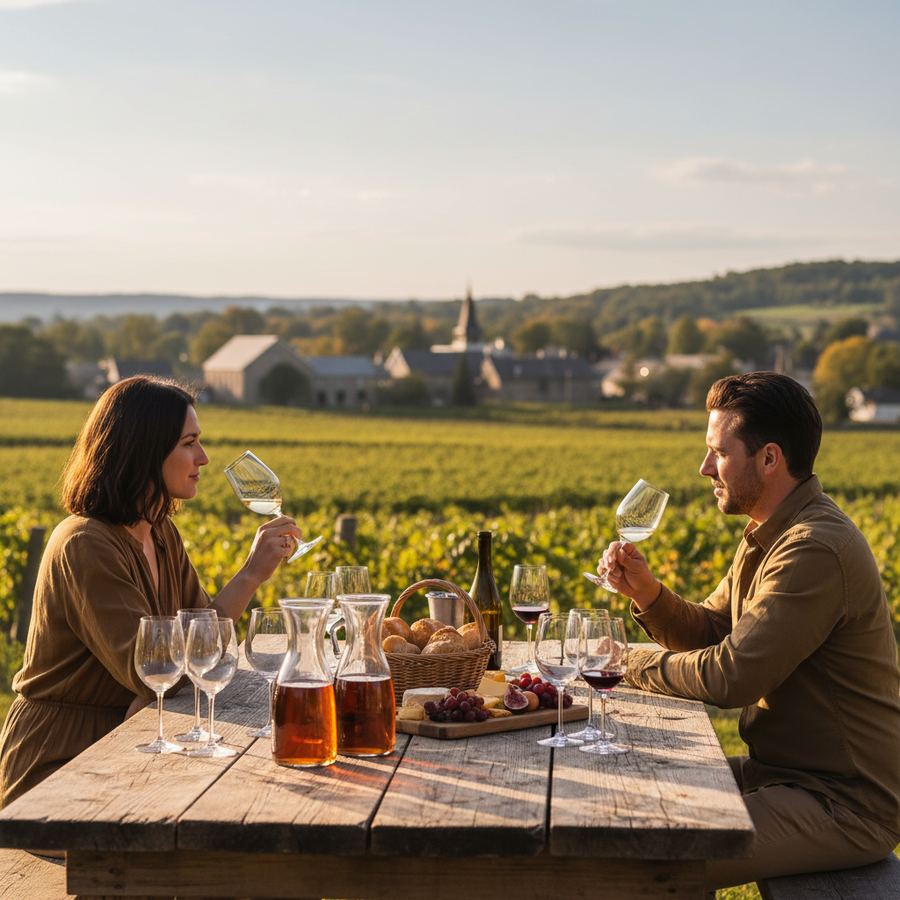
Four or five pours, some conversation, and the afternoon starts to slow down.
Eating at Wineries
Several County wineries serve food alongside their tastings. This ranges from simple cheese and charcuterie boards to full lunch menus with dishes designed to pair with the estate wines. Eating at a winery is a natural part of the afternoon and helps pace the tastings.
If you are visiting two or three wineries, consider having lunch at one of them. This breaks up the driving, gives your palate a rest, and turns the stop from a tasting into a proper visit. Some wineries have patios with vineyard views that make lunch feel like an event even when the food is simple.
Alternatively, pack a small lunch. Bread from a local bakery, some cheese, and fruit make an excellent picnic. Many wineries have outdoor seating where you can eat your own food alongside a glass of their wine. Call ahead to confirm, as policies vary.
Getting Around Safely
Drinking and driving is a serious concern, and it should be planned for before the afternoon begins, not after. The most responsible approach is to designate a driver who tastes minimally or not at all. The County's roads are beautiful but winding, and even a small amount of wine adds risk.
Some accommodations offer shuttle services or can arrange transport. Cycling between wineries is another option, though it requires reasonable fitness and an awareness that even small wine tastings accumulate over an afternoon. A few tour operators run guided winery tours that handle the driving entirely.
Whatever your approach, plan it in advance. The point of a winery afternoon is relaxation, and that is impossible if you are worried about the drive back.
Seasonal Considerations
Summer is the busiest time at County wineries. Weekends from June through September see the most visitors, and popular wineries can feel crowded. If you prefer a quieter experience, visit on a weekday or aim for the shoulder seasons.
September and October are special. Harvest is underway, and there is an energy in the vineyards that you do not feel at other times of year. The air is crisp, the leaves are turning, and many wineries release new vintages or host harvest events. It is arguably the best time to visit.
Spring is quiet but pleasant. The vines are just beginning to bud, and the tasting rooms are uncrowded. It is a good time to have longer conversations with winery staff, who have more time to talk when they are not serving a steady stream of visitors.
Winter is the slowest season. Some wineries close or reduce hours significantly. Those that stay open offer an intimate experience. Tasting wine in a warm room while snow covers the vineyard outside has a particular appeal that summer visitors never see.
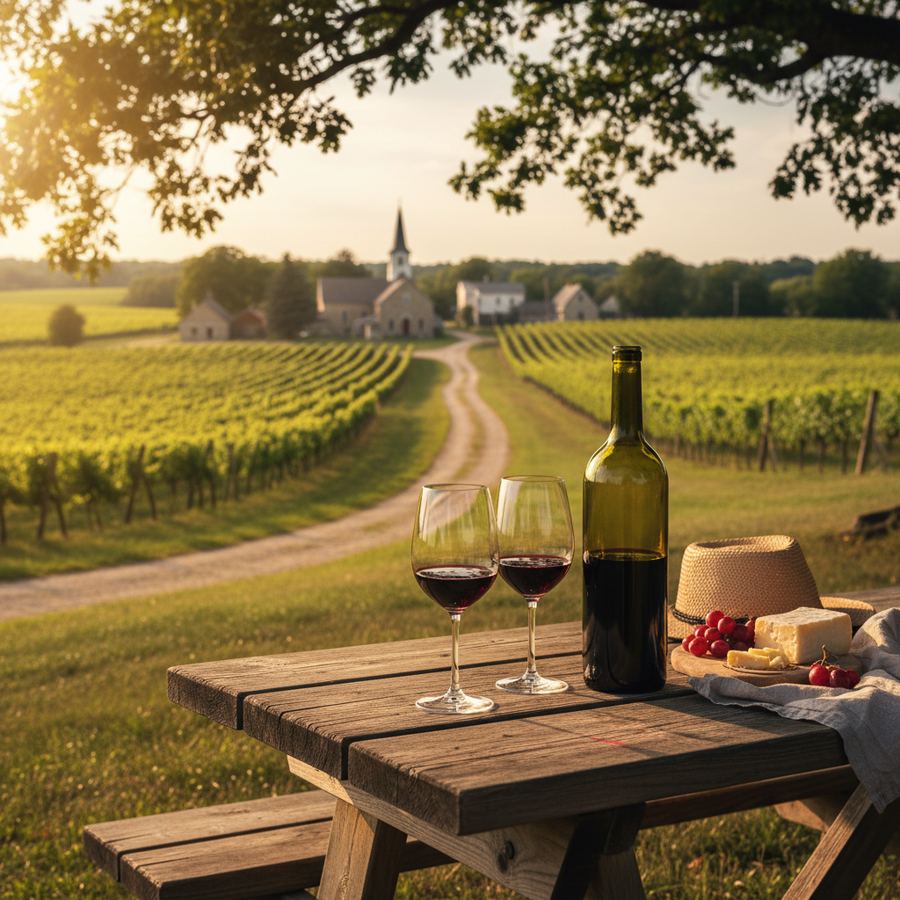
Buy what you love. County wines are rarely found on store shelves.
Bringing It Together
The best winery afternoons in Prince Edward County share a few qualities. They are unhurried. They involve genuine curiosity about what you are tasting and where it comes from. They leave room for surprise, whether that is an unexpected wine, a conversation with a winemaker, or a vineyard view that stops you mid-sentence.
You do not need to be a wine expert to enjoy a County afternoon. You just need to show up, taste slowly, and let the landscape and the wine do their work. It is one of the simplest pleasures the region offers, and it rewards patience in a way that few other experiences do.
For help with the rest of your County visit, see our dining guide, the first-time visitor's guide, and the Prince Edward County destination page. And if you want to extend the food theme, the seasonal markets guide pairs well with a winery afternoon.