Living Slower
Somewhere along the way, speed became the default setting. Fast commutes, fast meals, fast replies. The days filled up without anyone deciding to fill them. And then one afternoon, sitting on a bench in a town where nothing much was happening, it occurred to me that nothing much happening was exactly what I needed.
Living slower is not a trend or a philosophy. It is not something you buy or subscribe to. It is more like a decision you make repeatedly, in small ways, until those small ways add up to a different kind of day.
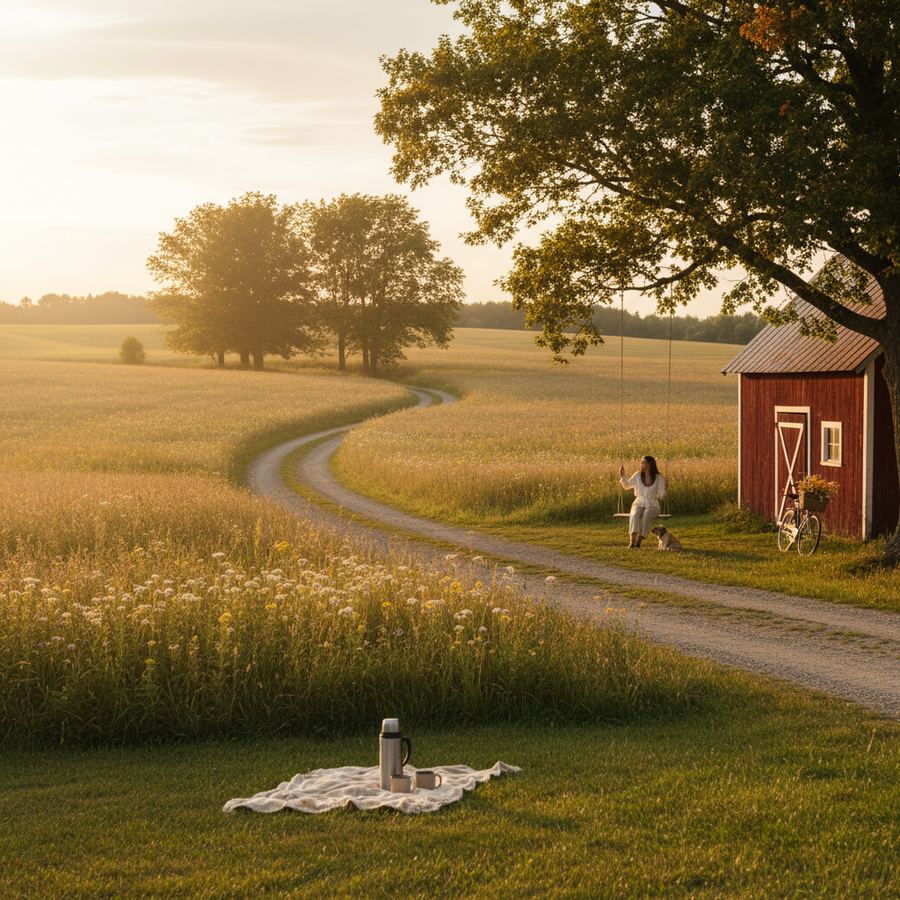
A slow morning starts with staying still long enough to notice where you are.
What Slower Actually Looks Like
People imagine that living slower means doing less. Sometimes it does. But more often, it means doing the same things with more attention. Cooking a meal instead of reheating one. Walking to the post office instead of ordering online. Having a conversation that does not compete with a screen.
The shift is subtle at first. You start noticing things you have been walking past for years. The way the light changes on your street in October. The sound the neighbour's gate makes. The particular quiet of early morning before the town wakes up. These are not remarkable observations. They are just the kind of thing that gets lost when you are moving too fast to register them.
For some people, this shift happens naturally when they move to a smaller town. The built-in pace of a place with fewer people and less urgency can help. But you can live in the countryside and still fill every minute with noise. And you can live in a city and find pockets of stillness. Geography helps, but it is not the whole story.
The Hard Part
The difficult thing about slowing down is that it feels wrong at first. There is a persistent internal voice that says you should be doing more, producing more, keeping up with something. That voice is loud and it does not go away quickly.
It helps to start with mornings. If you can protect the first hour of your day from urgency, the rest tends to follow more easily. No email. No news. Just the physical reality of being awake in a place. Coffee, a walk, a few minutes of nothing. It sounds almost embarrassingly simple, and it is. But simplicity is the point.
Weekends are another place to practise. We used to pack our Saturdays so tightly that Sunday was spent recovering from Saturday. Now we aim for one thing. One outing, one errand, one plan. Everything else fills itself. A slow travel approach applies just as well to your own neighbourhood as it does to a weekend away.
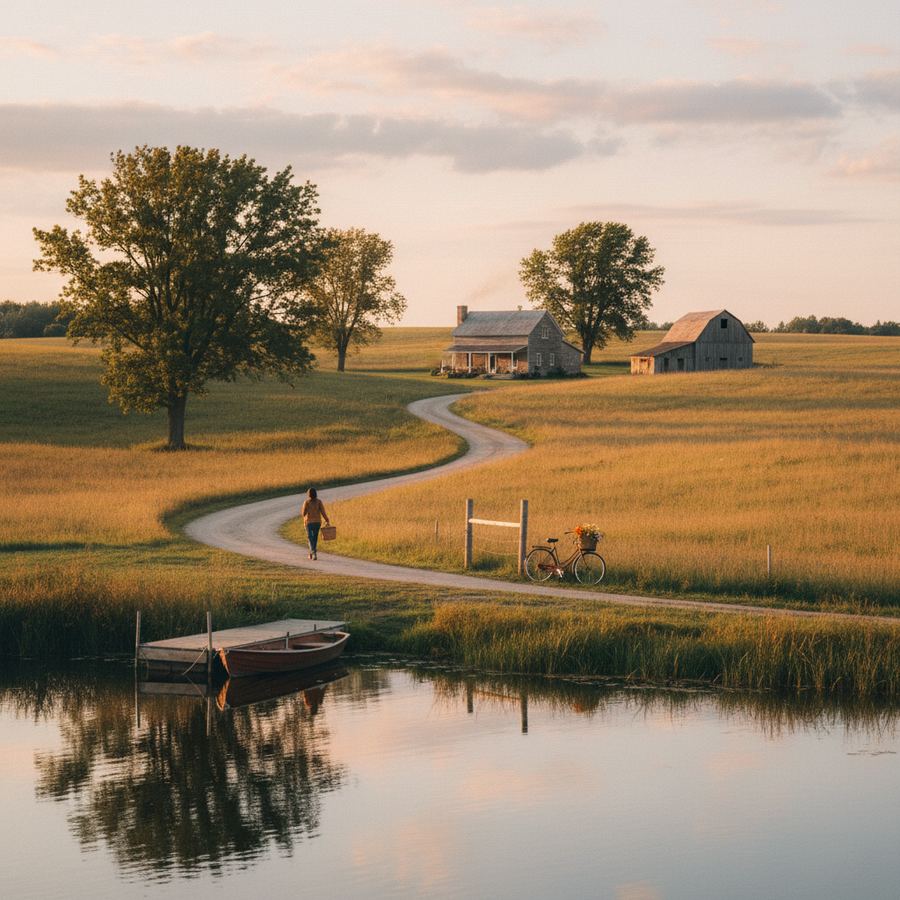
Leisure that does not produce anything is harder to allow than you might expect.
What You Gain
The benefits of a slower pace are mostly invisible. They do not photograph well. You will not win any awards for being less busy. But they are real, and once you notice them, it is hard to go back.
Sleep improves. Not because you are doing anything different at bedtime, but because the cumulative anxiety of a rushed day no longer follows you to the pillow. Relationships improve, because you are present for conversations instead of performing presence while your mind is three tasks ahead. Food tastes better when you cook it yourself and eat it without distraction.
There is also a financial dimension. A slower life tends to cost less. When you are not constantly filling gaps with purchases, delivery orders, and paid entertainment, the pressure on your budget eases. This is one of the quieter reasons people find that supporting local businesses feels better once they slow down enough to try it. You buy less, but what you buy matters more.
Slower with a Family
Living slower with children is both easier and harder than doing it alone. Easier because children are natural practitioners of slowness. They stop to look at ants. They want to know what every cloud looks like. They have no concept of being behind schedule because they do not have a schedule. You can follow their lead, and it often takes you somewhere better than your plan would have.
Harder because the world around a family is designed for speed. School schedules, extracurricular commitments, social obligations, the endless logistics of raising small humans. Slowing down within that framework requires deliberate choices. Saying no to a third after-school activity. Leaving a Saturday afternoon genuinely free. Allowing boredom, which is where creativity lives.
Our easy weekends with kids grew out of this practice. We stopped trying to give our children enriching experiences and started giving them time. The experiences followed on their own.
This Is Not Retirement
There is a misconception that living slower is something you do when you can afford to, or when you have finished the busy part of life. This is wrong. The busy part of life does not end on its own. It ends when you decide it ends, or at least when you decide to punctuate it differently.
You can live slower while working a demanding job. You can live slower in a city. You can live slower while raising three children and managing a household. It does not require quitting anything. It requires doing fewer things simultaneously, and being more honest about which things actually matter.
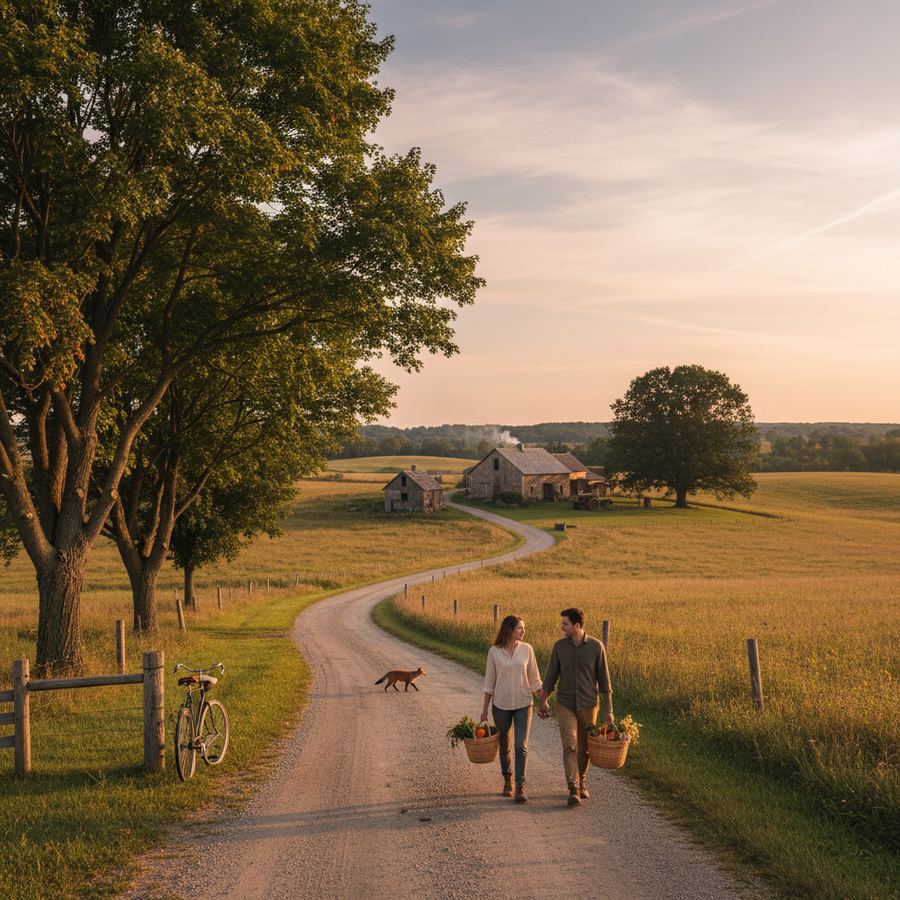
Slower is not a destination. It is a way of paying attention.
The writer Carl Honore, who has studied the slow movement extensively, writes and speaks about the cultural forces that make speed feel compulsory. His work is worth reading if you want the larger context. But you do not need the theory to start. You just need a morning, a cup of coffee, and the willingness to let it be enough.
That bench in a town where nothing was happening. I think about it often. Not because anything happened there, but because nothing did, and that was the whole point.